[00:00:02] Speaker A: Welcome to Big Ticket Pros, the podcast for agencies, coaches and high end service providers who know what it takes to thrive in competitive markets. I'm your host Ana Gonzalez and you can find me on social media at Annabelle Prime. Our guests share insider tips, strategies and sometimes cautionary tales to help you close bigger deals and scale your business faster.
Big Ticket Pros is sponsored by Conversational Funnels, the new way to close deals in 2025 that that does not rely on any of the old traditional methods everyone hates. We use this method to book 121 qualified sales calls in 10 days without any ad spend, outreach or endless social posting. Download the free step by step blueprint that shows exactly how we did
[email protected] that is conversationalfunnels.com Today's guest is Joe Kando.
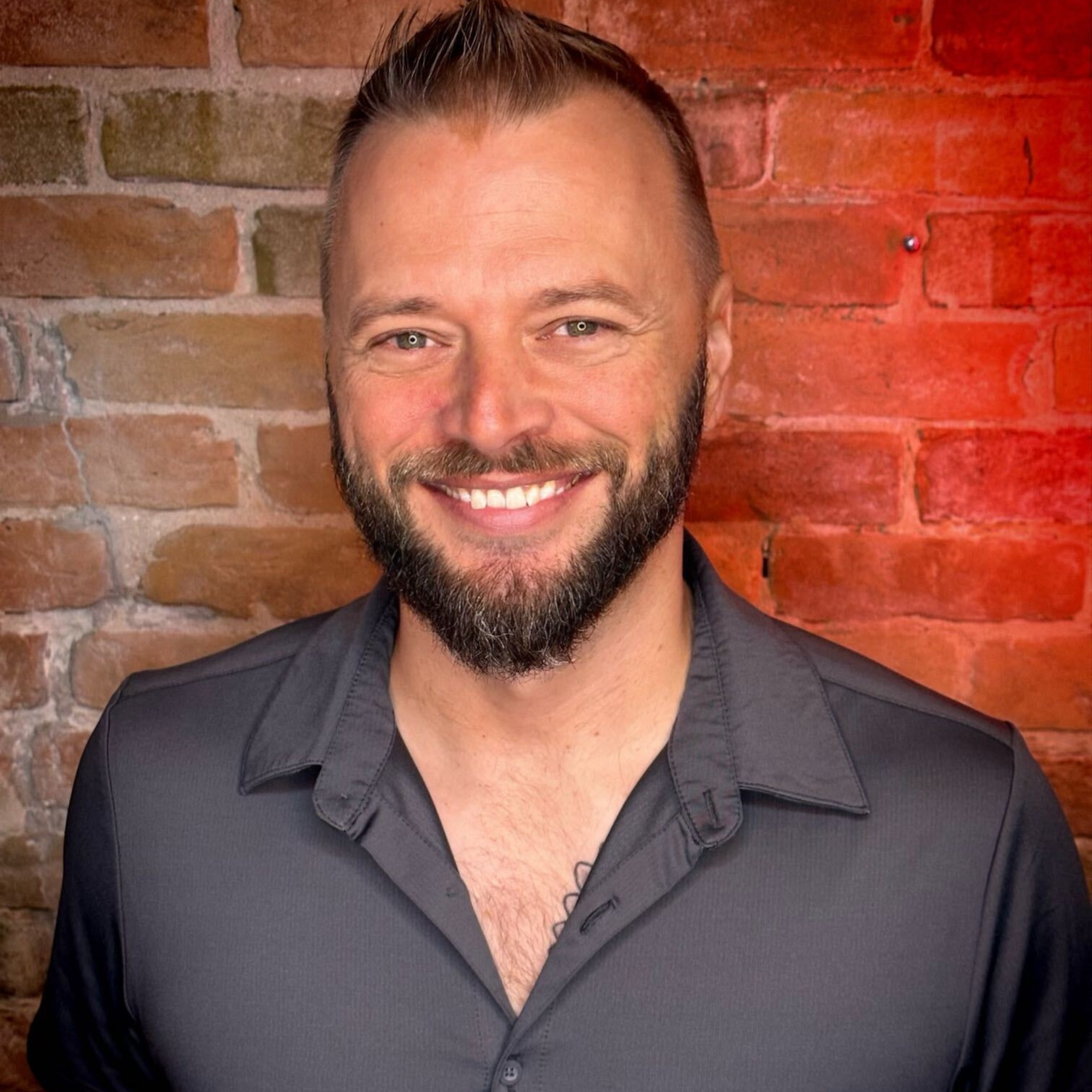
Joe is a sales expert, consultant, trainer and author who has worked with thousands of sales professionals to achieve much greater results through his four stage method called Leadership Selling.
So Joe, welcome to Big Ticket Pros.
What is the best piece of advice you would give to someone just starting out in your industry?
[00:01:18] Speaker B: Yeah, so I think the biggest piece of advice I'd give to someone brand new and actually maybe to any salesperson is help your customer. You know, let's start right there. You know, you just mentioned, which I love, that a lot of the traditional selling doesn't work any longer. Maybe it never did, but it definitely doesn't any longer. And one of the things we find in traditional selling is that salesperson is highly motivated to make a sale. But really it's not about helping the customer with that approach, it's about how can I win?
And the best way for a salesperson to succeed is to really build a relationship, understand their customer and genuinely solve their problem. If you can solve their problem, they're going to reward you with a sale. And so I think that's, you know, there's a lot more to it. But philosophically that's probably my one piece of advice to a new salesperson.
[00:02:05] Speaker A: I love that.
Yes. I don't know if traditional selling was useful in the past.
I honestly am not a salesperson myself. I don't think I am, but I agree. Helping your customer and building a relationship to solve their problem genuinely and authentically. I think that helps a lot with the, you know, with the trust factor. The trust that, no, trust me, like, you know, and that I think is ingrained in human psychology.
You cannot change that throughout the years.
[00:02:39] Speaker B: No, no you can't. And so in my approach, there's four stages. And the first stage is the engage stage. And it's all about building trust and credibility as a foundation for a relationship. And of course, there's some assumptions here, right? I mean, the assumption is that we're selling B2B because if it's consumer sales, it tends to be more marketing driven and they do their own research and they, they consume their own way. So really talking about B2B selling. Right. And so if I'm going to sell to you, I have to build a relationship before you and I can do business. You won't be open to sharing information with me if you don't TR me.
In the end, if you buy from me, mostly what you're buying is from me. Not so much my product, but the confidence you have in me. You know, because you have choices, Anna. You could buy from lots of different companies.
So when you pick me, you know that you have other choices. So a lot of what you're buying is the confidence that Joe told me the truth, the confidence that Joe will take care of me if there's a problem, the confidence that I trust this person.
And I don't know how you can have a relationship without trust.
So I think, you know, that is a foundation. Trust and credibility is the first thing that I want to sell. Right. I don't want to sell a product. I want to build a relationship first and then do business.
[00:03:56] Speaker A: That is super interesting.
I love that you say that.
I'm not buying from your company, I'm buying from you because you built a relationship right with me and you're building that trust and that credibility. And it's.
I think that there cannot be any kind of relationship, say business relationship, personal relationship. You cannot have any kind of relationship if there's no trust.
Trust in from me to you, trust in you to me. And trust in, for instance, in the fact that I can give you the money and you're going to deliver.
[00:04:38] Speaker B: Like, that's right.
[00:04:39] Speaker A: You know, like, like there's this different kinds of trust that we need to build in their relationship. How do, how do you build the trust in that relationship and the confidence?
[00:04:54] Speaker B: Yeah, so let's talk about that for a minute, you know, because the first thing, you know, salespeople always tell me is, oh yeah, I build great relationships and my customers trust me and they love me and blah, blah, blah. And then I make calls with them and I'm like, the first words out of your mouth was a pitch, okay? So I'm not quite sure where the trust got created, but I never Saw it happen, you know, and they don't realize. And I'm not trying to trash salespeople. I mean, I love salespeople. I'm a salesperson. But, like, you know, if you really want to build trust, you have to have a lot of courage. Because what it means is you don't sell at the beginning.
And that's the first step is even though I want to sell to you, I recognize I haven't earned the right to sell to you, and to try now would be premature. And I use an analogy of dating.
If I'm going on a first date, I'm not going to ask the person to marry me. That would be insane. Okay? And if they said yes, run from that person, because they're insane, right? So, you know, the first date is maybe a cup of coffee and you get to know each other a little bit. Well, it's the same thing in business. You know, you can't start selling right instantaneously when you meet the person or when you call them or when you connect with them through social. You know, you have to start with trust and relationships. So here's what it looks like.
It's what I call give to get.
The first thing I'm going to do is I'm going to give you something. It's not a bribe. I'm not going to, like, give you money or a gift. I'm going to give you useful information, something that is helpful to you, that will then cause you to start to want to talk to me, start to think that I might know something that could be helpful. And so this is thought leadership, right? I have to know a little bit about who I'm talking to. I have to know their industry, something about their company, and then do my research so that I can link a trend or important information to them that would be helpful. And if you can do that, and it does take a little bit of effort, but not a lot, then they'll be like, oh, this is interesting. This is something that matters to me. In my world, this person knows something about my business, and that's the beginning of building a trust relationship. And when you do that, they'll start to talk about their business, and they'll start to tell you what their challenges are, and then you can help them. But you got to give first. You can't. You can't come through the, you know, the door pitching, because that's about your agenda. It's not caring about the customer. But if you come through the door saying, hey, I know something about your business, and I read an interesting article. It was published by Deloitte. I want to share it with you. I think it'd be really helpful to you. That's a game changer. That's a different conversation.
[00:07:20] Speaker A: I think that you said a magic word here, and it was very quick.
But it's care that you need to care. Like this person needs to feel like you care about them. And that's when you get to know them, get to know their business, get to know their. Their pain points, their challenges. And that's when you go and say, hey, this is what I know from you and this is what I think I can be valuable for you, be valuable for people that. If I'm understanding correct, yes, that's right.
[00:07:54] Speaker B: So in that first stage, I talked about the engage stage, it's really building the relationship by sharing information that's helpful to the customer.
It's not a product pitch, but you're sharing information. Okay. And what happens is the customer, and I call this also like the why change? Like, I'm giving you some new information, and so you've got to think about it and say, oh, is that helpful to me? Is my competitor going to be doing that?
How might that benefit my business? So you're thinking about, is there a change that I need to make because of what was just shared?
And what starts to happen might happen in one meeting, it might happen in two, might happen in three. But pretty quickly, the customer gets comfortable enough to start to try and apply that information to their business, and they'll start asking you questions, okay? And eventually what happens is, is you go from this general trend that's in the industry to they start to talk about their business, and they're comfortable enough to talk about their business. This is what you wanted in the first place. You want them to tell you about their business, but you have to earn the right to get that information.
Okay, but now that they talk about their business, now we can start to explore what's going on for them. What's good, what's not good, you know, what are their priorities, what are their goals?
Basically, what I call the gap between the current state and the desired state. Okay. And that conversation then starts to reveal where you might be able to help them.
If there's a gap, right, if there's a gap between where they are and where they want to be. And they're having trouble closing that gap.
And that's related to what you do, which it should be, because the trend information, the thought leadership information you're sharing is also based on Your industry. Right. It's your customer's industry and your industry and how they join.
So usually when they're sharing that gap, you. You're in a position to help them.
And this is. This is when the selling. The selling starts to begin. Because now they're telling me what their challenge is, and I might be able to help them. So now we can explore that. That's the beginning of selling. So it doesn't happen at the beginning. Beginning, that's building the relationship. And then when they start talking about their business, then you can explore.
And if you find a gap now, you can start to think about, can I close that gap? What would my recommendation be? How do I resolve this? How do I help my customer?
[00:10:17] Speaker A: Yeah. How can I take them from point A to point B?
[00:10:19] Speaker B: Right, Right.
[00:10:20] Speaker A: I really like this how you're explaining everything, because it seems. It sounds like, you know, if you want a really nice pot roast, you need to simmer it very slowly.
[00:10:35] Speaker B: That's right. You know, cooking in the microwave.
[00:10:39] Speaker A: Yeah. The other day I made some. Some stew, and my. My beef was very hard because I did not have patience.
But. And I also like how. How you. The analogy you did. You made with the. With the dating thing, you know, like, you're not gonna go to your first date and be like, hey, Mary, let's get married. You're gonna go get a coffee, maybe share a laugh, and then you decide if you want to see each other again. And then with the time, you're like, all right, let's get married. And then.
[00:11:05] Speaker B: Right.
[00:11:06] Speaker A: Hopefully selling doesn't take as long, but.
But I. I really love how. How these things that you need to earn the right to pitch them.
[00:11:20] Speaker B: You do. You need to earn the right. And. And you earn it by building that trust by sharing information, and then they'll start talking to you. Right. And here's the thing. Remember, your competitors got a product like you and a service like you.
[00:11:32] Speaker A: So the whole.
[00:11:34] Speaker B: The whole issue is when they choose you, they're choosing you not because you have the same product as somebody else, but because you're bringing something in addition to the product. Right. You're bringing something that they believe can be helpful beyond what they can get from the competition. Okay? And usually that's your understanding of their business, the relationship you've built and the trust you've established, your ability to create a solution that's really aligned with them achieving their goals. You should be able to give an ROI value proposition. Right. You should be able to say, hey, based on what you told me, when we solve this problem, we're going to be able to fix this for you. There's going to be an ROI or a cost justification that would be beneficial to them.
That's what should happen.
[00:12:26] Speaker A: That's beautiful. I really like this.
So, Joe, tell us about who you serve and how people can reach out to you.
[00:12:34] Speaker B: Yeah, so I work predominantly with major corporations, usually Fortune 500. I've traveled to 25 countries for business in 43 states in the U.S. so I've been around a little bit. But I really love working with the mid market and small companies as well. You know, it's very intimate. You get to know the leadership and you work with the sales teams.
So, you know, I'm very flexible in, in terms of who I would work with. Really what I look for is an organization that wants to improve their sales.
And it starts with the leadership. It can't just be, oh, go train my team. It has to really be as the leader, the CEO or the sales leader. You know, let's figure out what our strategy is, what our game plan is, and then develop training and coaching for the team. And so that's, you know, that's the basic approach.
[00:13:22] Speaker A: Awesome. How can people find you?
[00:13:24] Speaker B: Oh, well, that's pretty easy. I'm just going to quickly put up my book right here. If we get it in focus. Let's see. Can we get it in focus? No, it doesn't want to focus.
There it is.
[00:13:34] Speaker A: I see. Leadership Selling.
[00:13:36] Speaker B: Leadership selling. Okay, so leadership-selling.com will take you to a website about the book and from there there's also a link to my website, which is Fifth Element Associates.
So you can find me either way. I'm also on LinkedIn and you know, if you're curious, just, you know, shoot me an email, give me a call and, you know, no obligation or commitment. We'll just have a conversation and see what's going on in your business.
[00:14:03] Speaker A: Awesome.
So we're going to wrap it up here. Thank you, Joe, for joining us and sharing some wisdom about thriving in a competitive industry. That was awesome.
Thank you for coming. You can learn more about what Joe does by visiting leadership-selling.com right? Or fifthelement associates.com.
[00:14:24] Speaker B: Yes, that's perfect.
[00:14:25] Speaker A: Or looking for him on LinkedIn. Joe Candido, if you are an agency coach, professional services provider, or otherwise sell expensive stuff, we'd love to have you in a future episode. You can
[email protected] and once again, if you want to learn about the new way we're booking dozens of qualified calls per week with no ad spend. Download our free blueprint at Conversation. Conversationalfunnels. Com. That's all for now. Go get that big ticket punched. See you later.