[00:00:02] Speaker A: Welcome to Big Ticket Pros, the podcast for agencies, coaches and high end service providers who know what it takes to thrive in competitive markets. I'm your host Ana Gonzalez and you can find me on social media at Annabelle Prime. Our guests share insider tips, strategies and sometimes cautionary tales to help you close bigger deals and scale your business faster.
Big Ticket Pros is sponsored by Conversational Funnels, the new way to close deals in 2025 that does not rely on any of the old traditional methods everyone hates.
We use this method to book 121 qualified sales calls in 10 days without any Aspen outreach or endless social posting.
Download the free Step by Step blueprint that shows exactly how we did
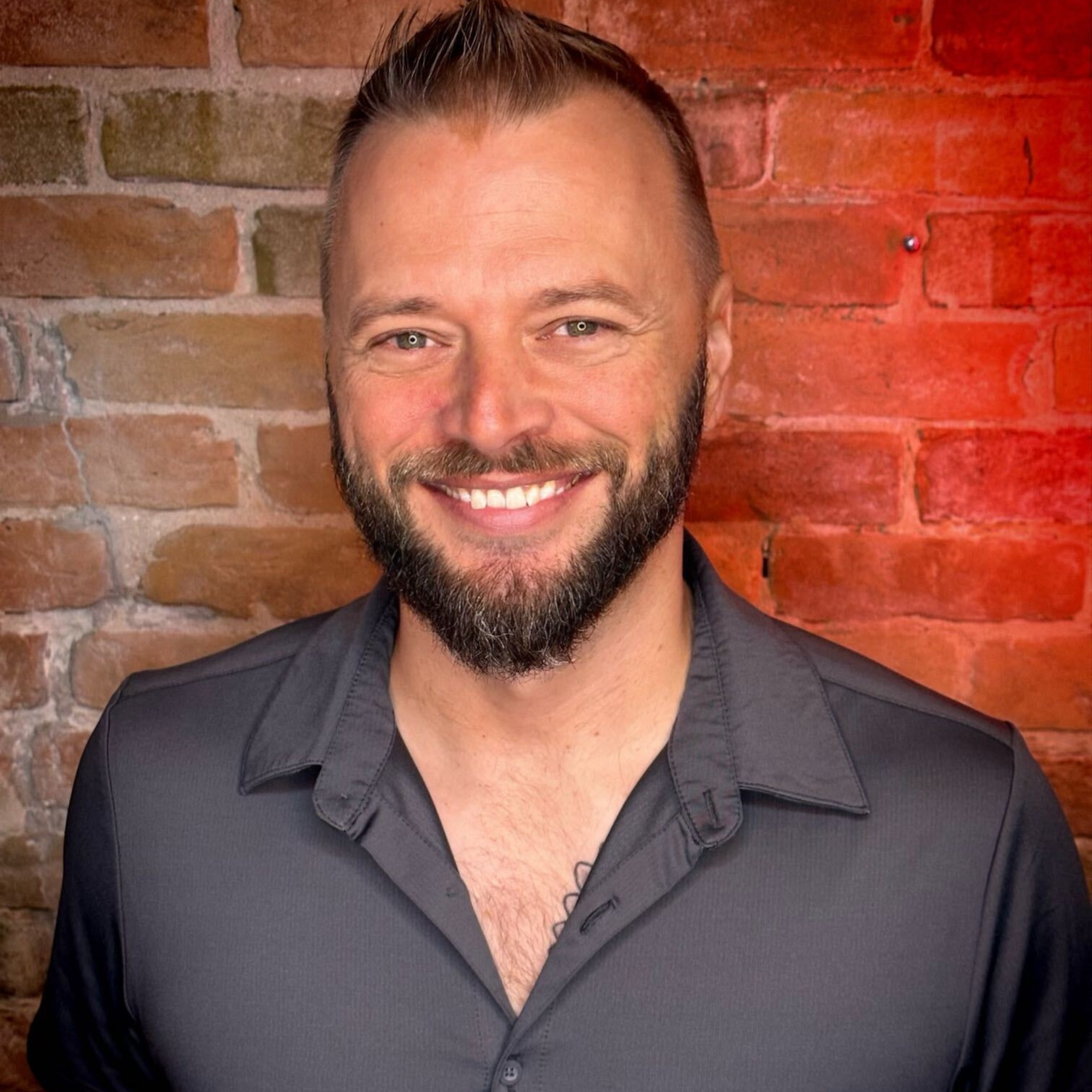
[email protected] that is conversationalfunnels.com Today's guest is Devin Sizemore.
Devin is the author of Connection Expansion. You are one connection away from massive success in your life and business.
Devin is driven by a passion for meaningful experiences, both personally and professionally. He has spent his career building and growing businesses that align with his values. From launching his first marketing agency right out of college to creating innovative consulting practices and a cat cafe.
His journey has been defined by a commitment to adding value and making a positive impact.
As a firm believer in the power of connections, he is dedicated to helping others succeed through the art of building relationships. The next chapter of his life is focused on fostering a community where 1 million connections can create lasting, transformative change.
So, Devin, welcome to Big Ticket Pros.
[00:01:42] Speaker B: Thank you so much.
[00:01:44] Speaker A: What is the best piece of advice you would give to someone just starting out in your industry?
[00:01:49] Speaker B: 100%. Great question.
I have five principles that I talk about in the book and one of them continues to stand out above all the others.
And it's control what you can control.
I think so often when we look at business development and growth, we benchmark our success to things that are actually outside of our control.
And if we adjust that and align our expectations and our activities and we focus on controlling the things we actually can control, you're. Your outcomes are much, much greater and you're much happier as you're going through the process because you're not benchmarking against things that aren't real.
[00:02:29] Speaker A: Oh my goodness, that is awesome advice.
Let me tell you something from my experience.
When I learned that there's things that I cannot control, but what I can do about it is how I react.
I'm gonna, I'm not gonna say react. How I act about it, everything, every, every sign of anxiety, every sign of anger, Every, every other. Everything went away and I was able to feel peace of mind.
[00:03:10] Speaker B: Yes.
[00:03:12] Speaker A: What would be your suggestion for people, for them to start aligning their expectations and activities and to focus more on controlling what they can control and just letting go of whatever they can't.
[00:03:34] Speaker B: Yeah. So let me give you real examples. So the book connection expansion is all about building networks. That's what I spend all my time doing or helping people write books play in both worlds. In the network building world, a great example is when I ask a room of people, hey, when you go to an event, what are you trying to do? Who are you trying to meet? The answer is usually something around their ideal client profile. I'm trying to meet this type of person.
What's so interesting about that answer is that feels like the right answer in sales and marketing. Right. Because that's what we're taught. But we actually can't control if one or any of those profile types will actually be at the event. What we can control is going to the event, actually getting out of the car and walking in the room. We can control how many conversations we have and how we structure those conversations and we can control getting their business card and capturing their information so that we can then control the follow up process.
We can control the language we use in the follow up process which then impacts the ability to book meetings. Again, impacts. Because we can't control whether someone books, we can control that we follow up and we follow up with the right language, increasing our probability.
And so if we look at that first question of who do you want to meet?
The real answer is when you're going to a networking event, a webinar, whatever you're going to that has new people is you're going to just meet people.
We have to stop setting these high expectations on ourself that we're going to meet the perfect ideal client at that event. You might, but why don't you just go to the event with the expectations that you're going to meet people? You're going to add new connections to your database and you're going to nurture them in a way that allows you to book and have meaningful one on one conversations.
[00:05:20] Speaker A: I love this, I love what you're saying that you're, if you're going to go to a network building event, the only thing that you're going to meet is people stop having expectations. I love that. And then what I can control is my script, my follow up process and even, even going to a networking event. I think, and people think, oh, I am Going to bring a lot of business cards and I'm just going to throw them away to people or throwing through them and throw them out.
And that's maybe not the way that I would probably do it because I can't control what people do with my business card. But what I can control is, oh, give me your info and I'll reach out to you.
[00:06:10] Speaker B: 100% we can control the follow up. Right. But if we assume someone's going to follow up with us, even if they say they do, no one follows up. It's the worst part of sales and relationship building.
And so again, you have to control it. And so if we look at your whole relationship building, network building, business development, sales process, in each of those processes, we want to get back to controlling the things you can control and positively impact and influence all of those things to increase outcomes. Yes. But we want to optimize the things that we actually have influence over.
[00:06:46] Speaker A: A takeaway that I get here from your words that you just said is to not assume anything and to always be proactive.
[00:06:56] Speaker B: Yeah. So two, I mentioned five core principles. Another of the core principles is never make an assumption about anyone because you never know what that relationship is going to turn into or what it can be.
And then another one of the core principles is always add value, which is this perspective of focusing on others and providing value to them. All of those things are built around what we've already discussed. But there's two more key principles that will help you in your relationship and network building.
[00:07:27] Speaker A: Awesome. So can you give me a.
I'm going to ask for a summary of those five principles because I think that it's do not assume add value.
And I forgot the other three.
[00:07:45] Speaker B: Yes, 100. So it's let me read them directly from here. So I use the exact one. So always add value is always number one for me. I went to control it. You can control because it's the one that resonates the most. But add value is number one.
We want to focus on others and positively add value to them. Not through our product or service, through education, information and making positive connections.
Number two is control what you can control, which we've talked about in depth.
Number three is there's value in every relationship. And so you have to go into that mindset that every single person you're talking to has potential value.
Number four is never make assumptions about a connection. We just talked about that one. But don't make any assumptions. The saying there right is anytime I make an assumption, I make an ass out of you and me. And so don't make assumptions. Right. It's not worth it. Just go in with an open mind. And number five is you have to train by doing so. Whatever you want your network to do, you have to do first and show them the way. So if you want more referrals and more connections coming in, you have to give more. If you want people to ask you certain questions to position you during the sales or buying process, you need to ask them those questions so they're comfortable and understand the experience.
And so you have to train by doing so. Those are the five core principles. There's so much more to the process, but with just those five, you will already start changing the way you're building relationships and networking.
[00:09:07] Speaker A: Awesome. And, you know, with adding the value, everything that you said, I think that that also helps with building the trust and the like factor and the no factor.
So I think that all those five principles that you have are a very good help to build a relationship so that you can get wherever you want to get.
And with training, by doing, I think that, you know, having the reps help you refine what you do and refine your offer as well.
Yeah.
[00:09:40] Speaker B: And so often when we talk about referrals, I call it the referral dilemma. People go out and ask for referrals. The ask is usually wrong, which we could talk about. But the issue is you go to your cold, warm, or even hot network and you ask them to do something that you yourself are not doing. Right. You are not actively making connections and impacting in a relational way the people in your network. Yet you go to your network and ask them to edify and advocate for you.
So if you want that to happen, why are you not doing that for others? So that they're going, oh, hey, you know what? Devin has edified me, advocated for me, and positioned me in front of other people.
Great. Then when I see his ass come in, yes, I'm motivated to reciprocate.
Um, but so often we're just pushing it in the world, hoping we get a response. That's not a strategy. That's hope. Right. Uh, and we have to go back to having a real duplicatable strategy that dictates success.
[00:10:40] Speaker A: I love that. That phrase, that's not a strategy. That's hope.
And hope doesn't pay the bills.
[00:10:45] Speaker B: It does not.
[00:10:49] Speaker A: So that's awesome. So, Devin, tell us about who you serve and how people can reach out to you.
[00:10:56] Speaker B: Yeah, so I wear two hats, right? I help people write, publish, and promote books that generate revenue. That's with a company called Million Dollar Author milliondollarauthor IO. You can check that out. You can download a copy of the Million Dollar Book. There's also a complimentary webinar on there to talk about our approach to writing books. The other hat I wear is with my Book Connection expansion. I help people build million dollar networks that generate connections and referrals.
Devinsizemore.com you can connect with me. There's all sorts of information, book recommendations, podcasts. I've been on additional information, training webinars and links to the book.
Or if you'd like to go on Amazon, the podcast just came out or that audiobook just came out, so go grab that on Amazon.
[00:11:39] Speaker A: Awesome.
You're in a lot of places so we're going to wrap it up here. Thank you Devin for joining us and sharing some wisdom about thriving in a competitive industry.
You can learn more about what Devin does by visiting Million million dollar author IO or devin seismore.com is that correct?
[00:11:57] Speaker B: Perfect.
[00:11:58] Speaker A: Go to Amazon and grab his new book.
If you are an agency coach, professional services provider, or otherwise sell expensive stuff, we'd love to have you on a future episode. You can
[email protected] and once again, if you want to learn about the new way we're booking dozens of qualified calls per week with no ad spend, download our free blueprint@conversational funnels.com that's all for now. Go get that bait to get punched. See you later.