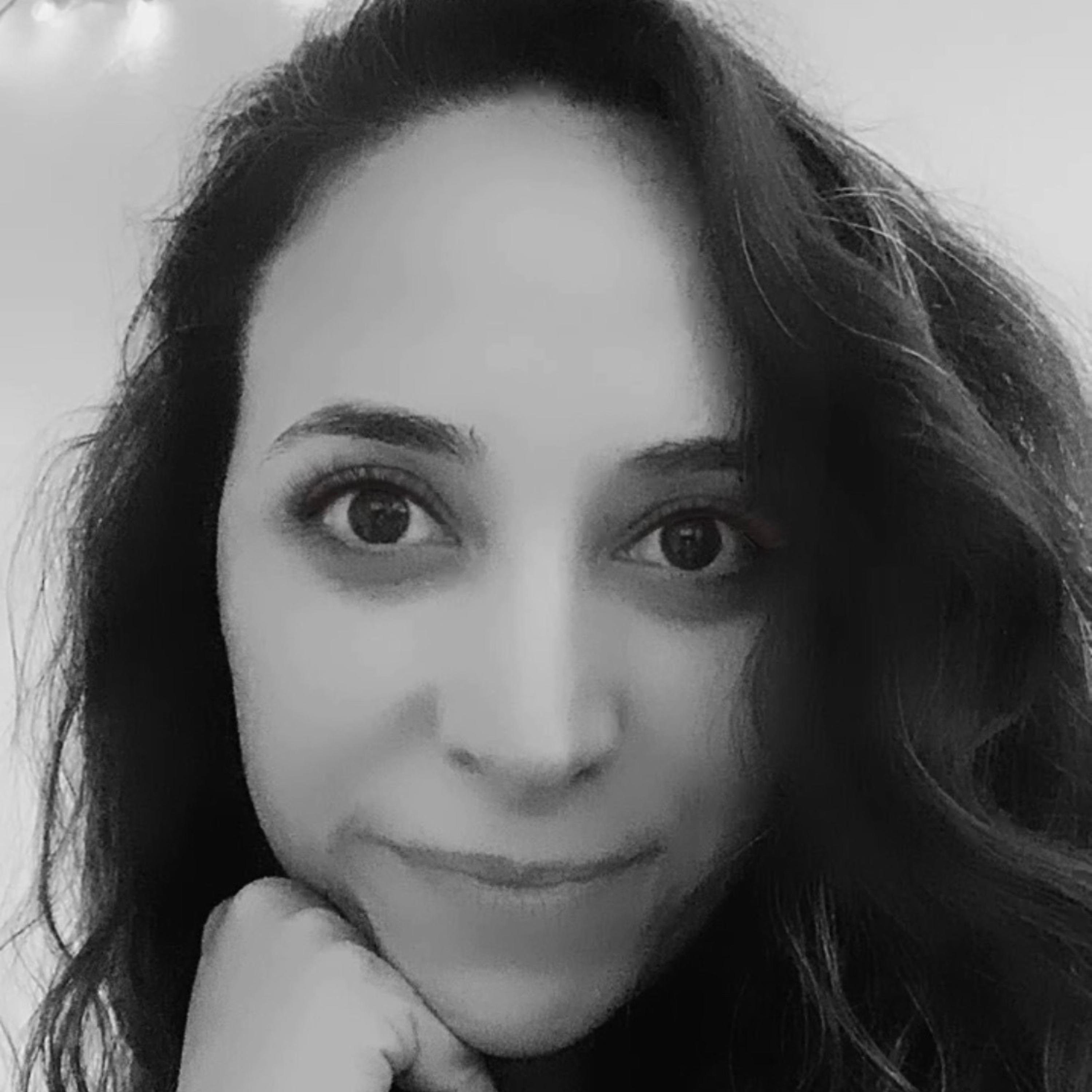
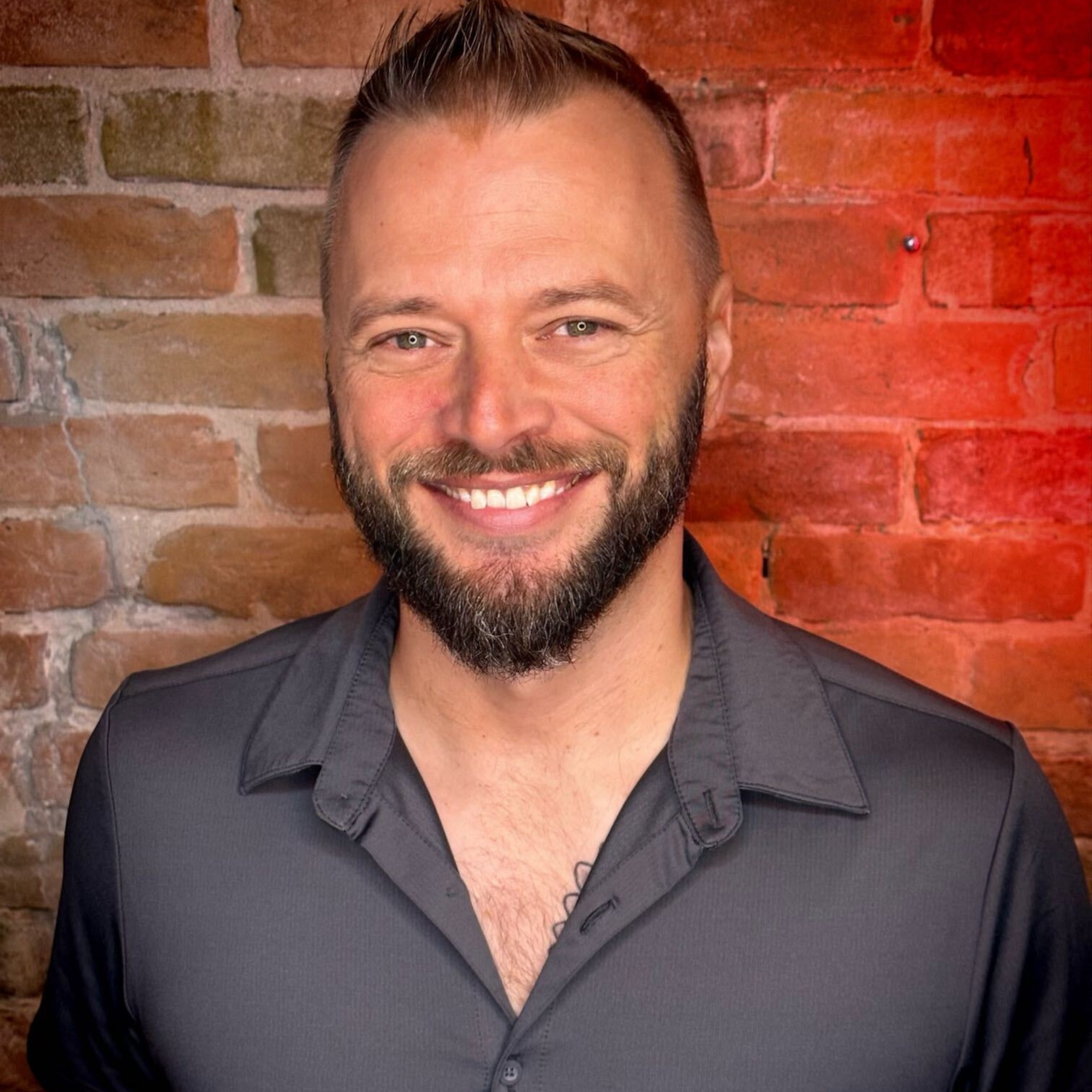
[00:00:00] Speaker A: Welcome to Big Ticket Pros, the podcast for agencies, coaches and high end service providers who know what it takes to thrive in competitive markets. I'm your host Ana Gonzalez and you can find me on social media at Annabelle Prime. Our guests share insider tips, strategies and sometimes cautionary tales to help you close bigger deals and scale your business faster.
Big Ticket Pros is sponsored by Fast Track Funnels, their new way to bring in consistent daily sales for your business in 2025 without cold outreach or burning cash on ads.
We use this method with a brand new business to generate more than 100,000 cash collected in less than 30 days.
Download the free step by step blueprint that shows exactly how we did
[email protected] that's getconversions.net Today's guest is Richard Lowe. Richard is a best selling ghostwriter who helps professionals turn their expertise into powerful books that build credibility, attract opportunities and leave a lasting legacy. With 63 published books, 48 GUS written titles and 1000 articles, he's a trusted authority in business, technology and leadership writing.
Previously Director of Computer Operations at Trader Joe's and VP at two tech firms, Richard blends corporate insight with storytelling mastery. His notable works include focus on LinkedIn, which is an Amazon bestseller, Cyber heist Note before and Digitize or Die, which is digital transformation.
So Richard, welcome to Big Ticket Pros.
What is the best piece of advice you would give to someone just starting out in your industry?
[00:01:45] Speaker B: Make sure your plan includes a book.
I'm a ghostwriter, so I'm obviously a little biased.
[00:01:51] Speaker A: But.
[00:01:51] Speaker B: But a book becomes the foundation of your marketing.
So from a book you get, when you write your book, whether you write it yourself or hire a ghostwriter or whatever, a book becomes, everything else is based on it. So it becomes your, you know, a little banner. It becomes it has content. You use it to get speaking engagements, including paid ones. You maybe a TED Talk. I've had a couple of my authors get TED Talks.
Some have got venture capital based on their book.
So having a book in your plan, and if you're just starting out, it's probably in your plan, then you budget it, you get investment. When you get investment money, you go make sure that the budget includes enough for that book. So talk to me first and then, then make that book happen. And that's where I come in and that I help you take your heart and put your heart and soul into a book so that it really, really resonates with your audience and it's really what you think and how you speak and what you want to tell them, your message, your. Your everything there is to know that you want them to know about your story.
And I weave it into a story for you so that it follows you through your career and basically becomes something that you use all the time and you can reference it. And people who write books and put them, use them as marketing, find that they get much better traction all over social media. Books are very respected. It shows you know the subject. It shows you know you're the expert. And if you look on LinkedIn and say you look up coaches, you'll find the big ones, the ones who get a lot of clients and things, they have a book.
It's a very simple mathematics to that. Get a book, you're going to get more people.
[00:03:39] Speaker A: You know, I think that's a really great thing to bring on.
I think that with a book, you create authority and you start creating the like and the trust of the people who find you.
And I don't know if this is true. I feel like if you write a book, it makes you maybe timeless.
[00:04:06] Speaker B: It's called believing a legacy.
So it becomes your legacy. In fact, I read a lot of books for memoirs, for seniors as well, who want to leave a legacy of their life. But if you, you know, you're starting your own business, you create the legacy. So you're doing the. They know you because they've read your book. They like you. If your book's written any. Any.
If your book's written right, and then they trust you. So you filled in at least one corner of that pyramid or that triangle.
They know you, so you've already got a leg up on everybody else.
[00:04:39] Speaker A: That's super interesting. What would be the steps for someone to write a book?
[00:04:50] Speaker B: You mean to write it themselves or to. Well, the first thing to do is just to call me up, and I'm serious about that.
Whether you have the money or not, set up an appointment and find out what it takes, and we'll have a chat. Could be 30 minutes, could be 15 minutes, could be an hour. That will go over your idea.
And if you don't have an idea, maybe we'll work through the idea and come up with, you know, the whole story, the book and so forth within that hour. From there, you'll know the cost and you know how long it will take. And you could put that in your budgets and you could put it in your time frame and you can factor it in. If you don't know those things, you.
It'll just sit there and it won't you won't move forward. And believe me, writing a book on your own, that's a lot of work. Because I write four or five of them at a time. I'm a crazy man.
And they're, they're, each one of them is its own special thing because they're all special to me, all my authors and books and they, they're just, that's my passion. It's what I like to do. And I like to get that message, somebody's message out so that other people understand it.
[00:06:03] Speaker A: What would be some general ideas or I would say, like some, some misunderstandings from the general public about, about writing a book?
[00:06:15] Speaker B: Well, first of all, one big misunderstanding is that having a, hiring a ghostwriter is cheating. For example.
Well, it's actually the smart way to do it. If you look at all the celebrity books, with some rare exceptions, they're all written by ghostwriters. Celebrities don't have time to write. They don't have the energy to write. They don't. It's not their passion. They're probably not good writers, so they just hire somebody to do for them. So all of the big names, from Clinton to Donald Trump to whoever, to your famous actresses and actors and so forth, virtually all of those are ghostwritten. But I could count the exceptions on, on the fingers of one hand.
All your big name books by industry are ghostwritten. So these things, all that's one big myth, is that it's cheating. No, what a ghostwriter does is it take. He takes your ideas and he puts them into writing. All he is is the writer. It's the same as hiring a contractor to do a house. The contractor is building your dream house.
It's not, it doesn't belong to your contractor and his name won't be on it. It's your house, but you don't know how to build houses, probably. So you hire a contractor to do it. It's the same kind of thing.
[00:07:25] Speaker A: It's, you know, I think it's, you nailed it there. Because it's the same principle of having a business you won't be able to scale if you're not able to delegate, if you're not able to hire someone who does better than you, what you probably maybe suck at doing, you won't be able to scale. I wouldn't, if I had a toothache, I wouldn't watch YouTube videos to learn how to fix my own tooth. So why wouldn't I? If I don't, if I don't know how to write, why wouldn't I Hire a ghostwriter.
[00:08:08] Speaker B: That's very true. Why wouldn't you, in fact, be. Silly of you not to.
A lot of people think, oh, I'll just write my own. Well, you could do that. And you might enjoy it, you might not. But it's taking away from you. Being able to work on your business, that's an important thing. You've got a business to run and you're sitting here writing a book. No, no, no. Go work on your business. Go work on getting venture capital. Go work on all the other things that are important to your business and let somebody else write the book. I just had to confront within the last six months that I'm not good at marketing.
So I hired a marketing company. And man, it is night and day.
It is like, I don't have to do that anymore. I don't have to make those videos. I don't have to sit there and do all social media. I don't have to do lead generation. I don't have to do any, they do it all.
I am thrilled that now, now that I see the difference and I should have done that years ago, but it, it's now creating my brand out there all over the place.
I don't have to do it. So hire people. Yeah, it costs money, but I mean, if you're in business, you should be able to make money.
And part of making money is, as you say, to be able to delegate, find the right talent and put them to work and make it happen.
[00:09:18] Speaker A: Yeah, I think that you cannot afford not to be able to afford it because as you mentioned, you hired your marketing company because you're not a marketer. You want to take care of your business without trying, without needing to learn how to be a marketer.
[00:09:35] Speaker B: Correct? Correct. And it was one of the best moves that I ever made. I, I, I'm not an editor. I'm a writer. There's a difference between editing and writing. Editing's like left brain. Writing's like right brain. I mean, I don't know how it breaks down. So I hired, I have an editor, but my, all the books go straight to the editor when they're done so that they come out looking as professional as possible.
Now, I can edit, of course, because that's kind of a subset of writing, but I'd rather send it to a professional editor because a writer should never edit his own work.
Don't do that, because Interesting. Yeah, it's, it's really a rule.
There's very few authors who will do that, and most of them, if they're smart will send it to another because you want that second pair of eyes, want that other pair of eyes. And I think it works really well. I also, this, this is an interesting thing. I also go to great lengths to get a woman editor because I'm a man and I want somebody with a different viewpoint. And that gives them, you know, that's, that's a whole different viewpoint. And they look at it and they tell me, well, that's really blah, blah. You know, they just fix it and it turns out pretty good.
It just works for me that, that's what I, that's what I do. And you know, it works really well.
[00:10:52] Speaker A: I think it's, that's super interesting what you mentioned about. Well, first of all, you want another pair of eyes. It's, it's, I think it's easier to see the bigger picture when someone is holding the mirror for you and to search for a different point of view. Like if you're a man writing, you want a woman to read it so that, like we're just wired different.
And I think it's very interesting. Another, another thing that I never thought about is that an editor is different than a writer.
I just never, it never occurred to me. Can you tell me the different things that each one of those do?
[00:11:37] Speaker B: Well, a writer is taking, making a story. So writing is, a writer is a storyteller. It's telling the story from top to bottom. It's all the side stories. If it's fiction, all of the, if it's non fiction, you know, all about the business or about the person. Whereas an editor is just tearing that apart and shredding it and putting it back together so that it's right. They are very, very different things.
And I've learned that, yeah, I'm a decent editor, but there are better editors than me and, and you know, I include them in the project because I want my client to have the best book that they can get and that helps do that.
[00:12:19] Speaker A: The part where you said that the editor just tears whatever the writer wrote that tears it apart.
It took me back to.
I, I went to college for architecture. I graduated from that.
And I remember working on a blueprint for three days and three nights because computers were just starting out.
And I'm just giving away my age here.
And I remember the instructor just bringing his red crayon or red marker Sharpie. It just like tearing it apart. Oh my goodness, how it hurt.
I can only imagine how an editor can hurt a writer.
[00:13:06] Speaker B: Well, one thing we have to be is if you're a good writer, you especially a ghostwriter, you have to lose that ego.
And now I've heard tales of a client who came to me and eventually got rid of their other ghostwriter because of this.
The client marked up the stuff and the ghostwriter actually started crying.
Now that's not acceptable.
I mean, of course the client's going to come back and say, I don't like this. That's going to happen once in a while.
[00:13:32] Speaker A: Yeah.
[00:13:33] Speaker B: You're going to rewrite it. You fix it. Okay, thanks. What's, what's wrong with it? Tell me specifically what you don't like. Well, I don't like this. I don't like this. I don't like this. It's probably not that big a deal.
Keep your emotions out of it and understand that the critique is about the work, not about me.
100% about the work.
If it becomes about me, then we're taught we're getting in the toxic area and that becomes a whole different conversation. But you know, I'm an adult.
I can take criticism because my goal is again, to make the best possible work that I can for my client.
[00:14:06] Speaker A: There you go. Yes, yes. It's about the work and you serving your client in the best way that you can.
So taking criticism is always, I think good because it's helping you grow.
[00:14:23] Speaker B: But I didn't answer, I didn't, I don't know if I answered one question that you didn't ask, which was what do you get out of a book and why would you do that? And the answer is you're going to get venture capital if you use it right. It's your marketing base. You're going to get on speaking circuit. I think I did answer this. You're going to get on the speaking circuit. You're going to get speeches. The press is going to come to you. You're going to be well known. You've told people who you are so you don't have to. You're going to give it out at out of conferences. You're going to sign it, you're going to give it to your clients. It becomes the basis of everything.
That's what your book is going to give, that's what you're going to get from it.
And it's a one time expense and you just, you know, you just factored in your business expenses. It's probably tax deductible. Check with your client, your accountant. I'm not an accountant, but it's probably tax deductible, especially if it's for your business. And it's something that you will have forever and it becomes the cornerstone of your marketing. And your marketers will love it for it because love you for it because they have something to go forward then.
[00:15:27] Speaker A: That's awesome.
So, Richard, tell us about who you serve and how people can reach out to you.
[00:15:32] Speaker B: Well, they can go to ghostwriting.guru or the writingking.com two sites. So it's ghostwriting.guru or the WritingKing.com and on there, there'll be all kinds of contact forms and schedulers and stuff. Read through the front page, you know, have at it. Got lots of stuff there. And make an appointment and talk to me. It's no, no obligation, no cost.
And we could talk for, you know, 15 minutes to an hour and we'll work out whether you need a book or not and if so, what it's about and what the budget is and everything like that.
[00:16:06] Speaker A: Exciting.
So I think it's exciting to just talk about writing a book.
[00:16:14] Speaker B: It is.
[00:16:14] Speaker A: I think it's exciting.
[00:16:16] Speaker B: People get very excited when they talk to me.
[00:16:20] Speaker A: So we're going to wrap it up here. Thank you, Richard, for joining us and sharing some wisdom about thriving in a competitive industry, in any industry.
You can learn more about what Richard does by visiting Ghostwriter, Ghostwriting guru or the writingking.com. did I get them right?
[00:16:39] Speaker B: You did.
[00:16:40] Speaker A: Yay.
If you are an agency coach, professional services provider, or otherwise sell expensive stuff, we'd love to have you in a future episode. You can
[email protected] and once again, if you want to learn about the new way, we're booking dozens of qualified calls per week with no ad spend, download our free blueprint@conversational funnels.com that's all for now. Go get that big ticket punched. See you later.